

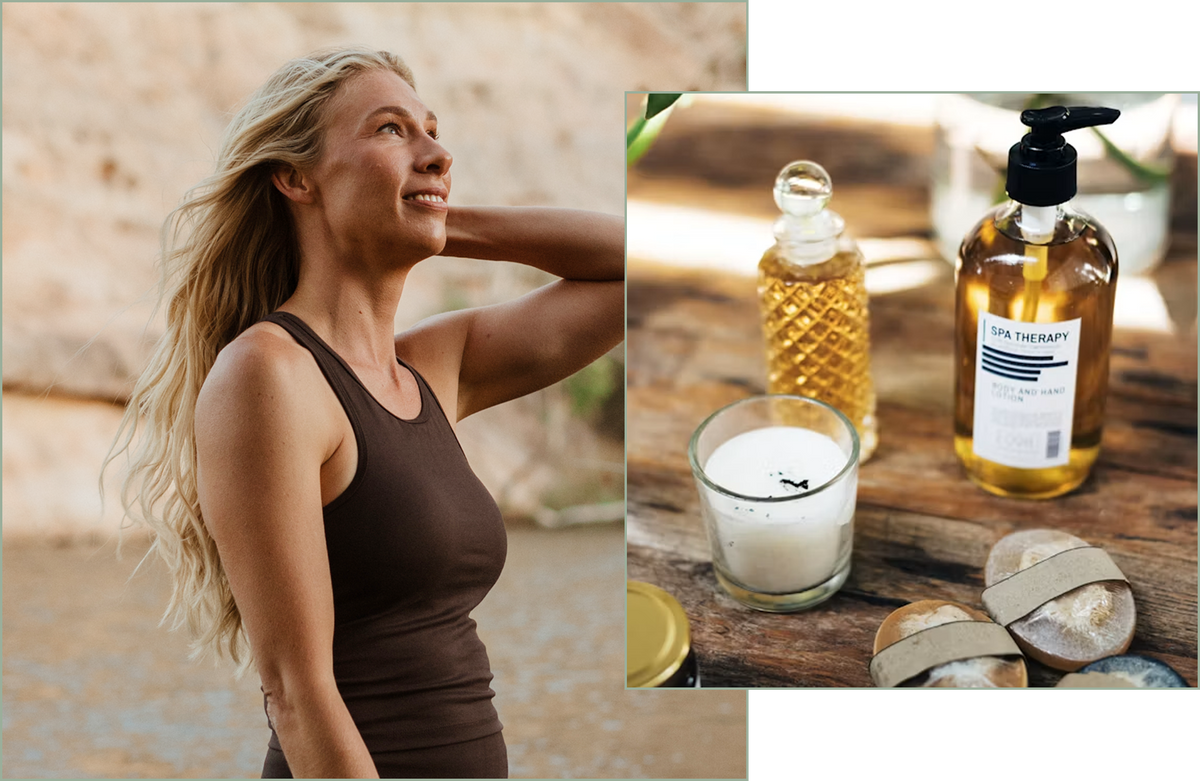
The Perfume Problem: Do Scents Make Sense For Your Family?
One of life’s best joys is when something smells really, really good. Be it fresh laundry, warm bread, or a friend as you go in for a hug.
But if you’ve spent any time in the low-tox world, you’ve probably noticed fragrance is one of the first things people start cutting back on. But why?
Fragrance isn’t automatically “toxic”, and not every fragranced product is harmful. The concern more comes down to what can be hiding under that one little word, how much fragrance we’re exposed to every day, and how our individual bodies respond.
So let’s take a look...
What is “fragrance”?
The tricky thing about “fragrance” is it isn’t just one ingredient – it can be a mixture of ingredients that aren’t always individually listed on the label.
Some can cause irritation or sensitivities, release VOCs into the air, or raise health and environmental concerns. But that doesn’t mean your favourite perfume is poisoning you!
Our low-tox approach is simple: Reduce the fragrance you don’t care about and keep the things you genuinely enjoy.
Fragrance in the laundry

Where it hides: Fragranced detergent, fabric softener, dryer products and scent boosters. They’re literally designed to leave fragrance behind – meaning that scent can remain on the clothes, towels and bedding sitting against your skin.
Low-tox swap: Choose a fragrance-free laundry detergent and skip scent boosters or fragranced fabric softeners. Clean laundry doesn't actually need to smell like anything!
What to look for instead: Look for “fragrance-free” on the label and check the ingredients for fragrance, parfum or perfume. Don't assume “sensitive”, “natural” or “plant-based” automatically means fragrance-free.
Fragrance around the home

Where it hides: Plug-in air fresheners, reed diffusers, room sprays and heavily fragranced candles.
Low-tox swap: Reduce constant home fragrance, open the windows regularly and save scented products for when you actually want to enjoy them. (Love lighting your favourite candle on a Sunday night? Keep the candle!)
What to look for instead: Choose products with full ingredient disclosure where possible. Be wary of vague claims like “natural fragrance” – natural doesn't automatically mean non-irritating or low-tox. If you're buying candles, look for brands that clearly disclose their wax, wick and fragrance ingredients!
Fragrance in the bathroom

Where it hides: Body wash, moisturiser, shampoo, conditioner, deodorant, skincare and perfume. One fragranced product might not seem like much – until you realise you could be layering six of them onto your body before 8am.
Low-tox swap: Choose fragrance-free versions of everyday products where scent doesn't really add anything to the experience as you use it, particularly products that remain on your skin.
What to look for instead: Check ingredient lists for fragrance/parfum/perfume and look specifically for “fragrance-free.”
Looking for low-tox perfume?
Look for brands that are transparent about what goes into their fragrance, as well as:
✓ Full or detailed fragrance ingredient disclosure
✓ Phthalate-free formulations
✓ Brands that clearly explain their fragrance standards
✓ Independent certifications or testing where relevant
✓ Fragrance-free products for everything else, if your go-to perfume is the scent you actually love
Fragrance in cleaning products

Where it hides: Surface sprays, floor cleaners, toilet cleaners, dishwasher products and disinfectants.
Low-tox swap: Choose fragrance-free cleaning products where possible and let the ingredients doing the actual cleaning do their job. Remember: Fragrance doesn't make something cleaner!
What to look for instead: Look for fragrance-free products with transparent ingredient lists. In Australia, recognised third-party certifications such as GECA can also help identify products assessed against broader health and environmental criteria.

And remember: Low-tox doesn't have to mean fragrance-free.
Low-tox living isn’t about fearing every scented product – it’s about reducing unnecessary exposure where it’s easy to do so.
Keep the perfume you love, light your favourite candle, and maybe let your bin liner just be… a bin liner.
It’s not about perfection, just making more informed choices about what you use every day!

Leave a comment
All comments are moderated before being published.
This site is protected by hCaptcha and the hCaptcha Privacy Policy and Terms of Service apply.